Clear aligners
Whiten
Bond

Our smile makeovers in Comely Bank, Edinburgh, combine treatments such as Invisalign, whitening, bonding and porcelain veneers in one plan, designed by Dr Davinder Kalsi. You see the result first through smile design (from £250) and, if you like, a trial smile (from £250), and each fee is fixed in writing. Prices checked October 2026.
When more than one thing bothers you, Dr Davinder Kalsi plans it together at our Comely Bank practice: alignment, colour, shape and any missing teeth. You see the design on your own face, and can try it in your mouth, before any treatment begins.
We take photographs, a short video and a 3D scan of your teeth, in about 45 minutes.
Your new smile is designed on your own face, with proportions that suit you rather than a template.
A temporary mock-up sits over your teeth. See it, speak in it, photograph it, change anything.
Straightening first, whitening next, shaping last. That sequence is what makes the result last.
One needed only veneers. Another was a full mouth rehabilitation. Each was treated by one of our dentists. Slide to compare.
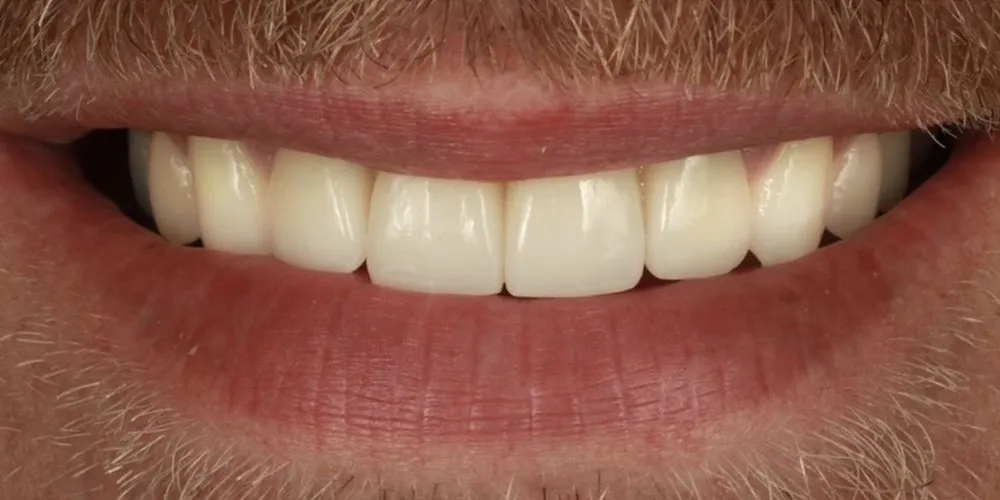 BeforeAfter
Straightened first, then implants and veneers added.
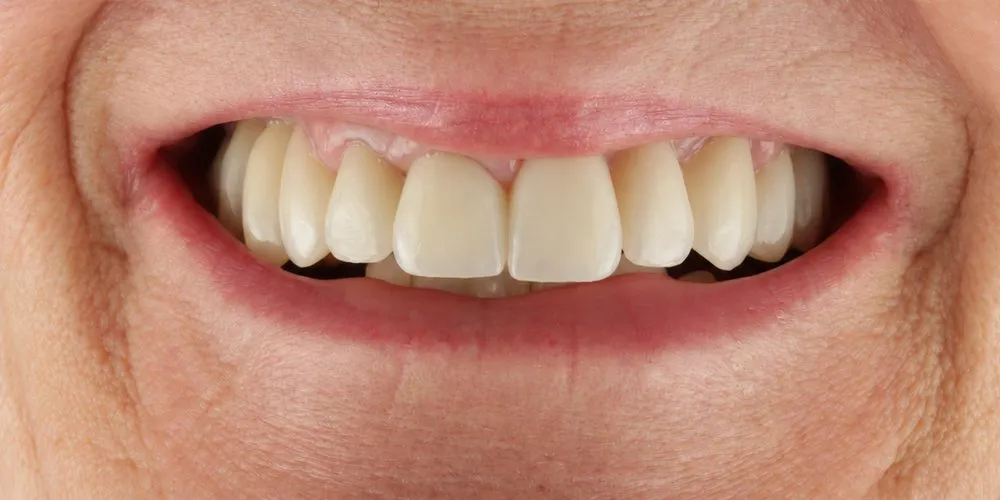 BeforeAfter
Failing restorations redone: new crowns, bridges and veneers.
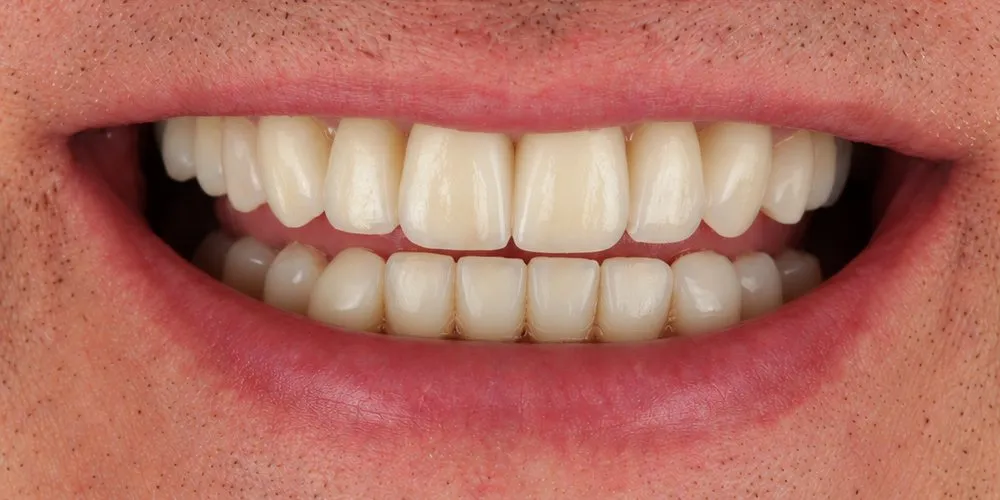 BeforeAfter
A makeover with veneers alone.
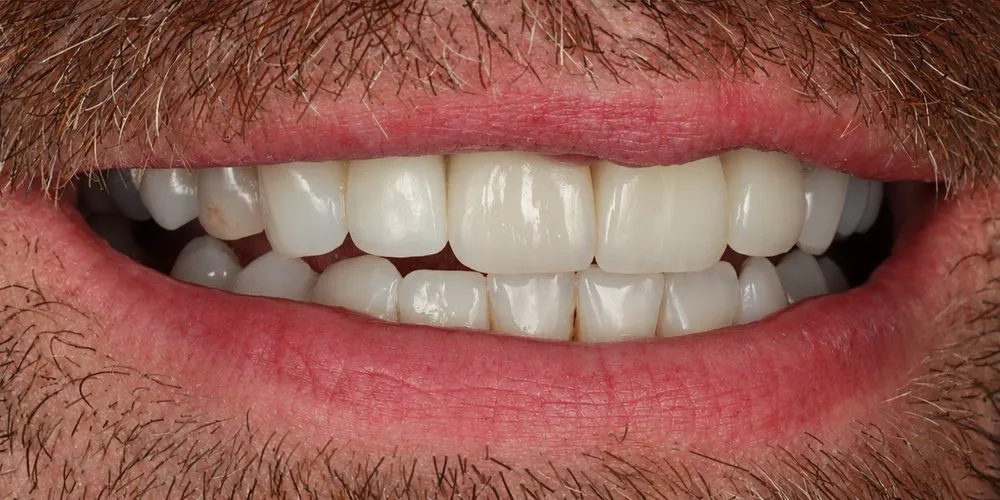 BeforeAfter
Old work replaced, and darker teeth masked, with four veneers.
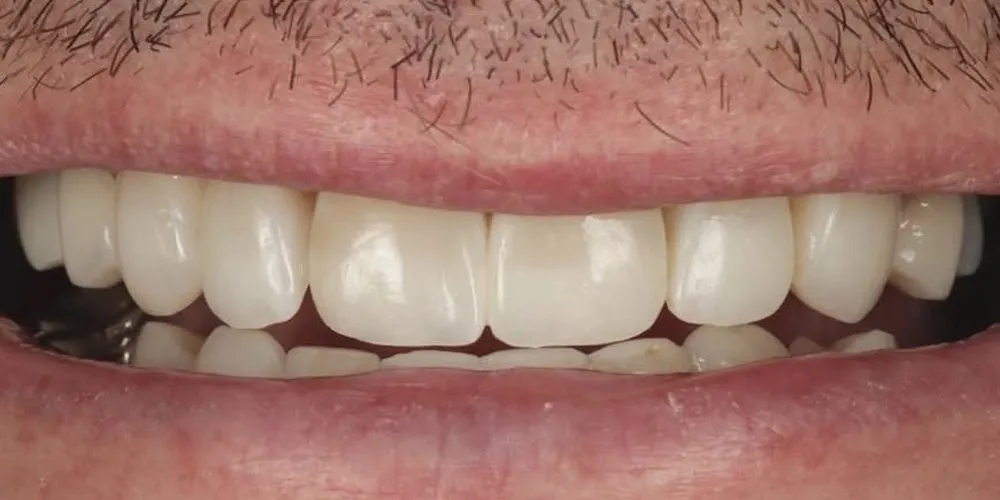 BeforeAfter
Full mouth rehabilitation.
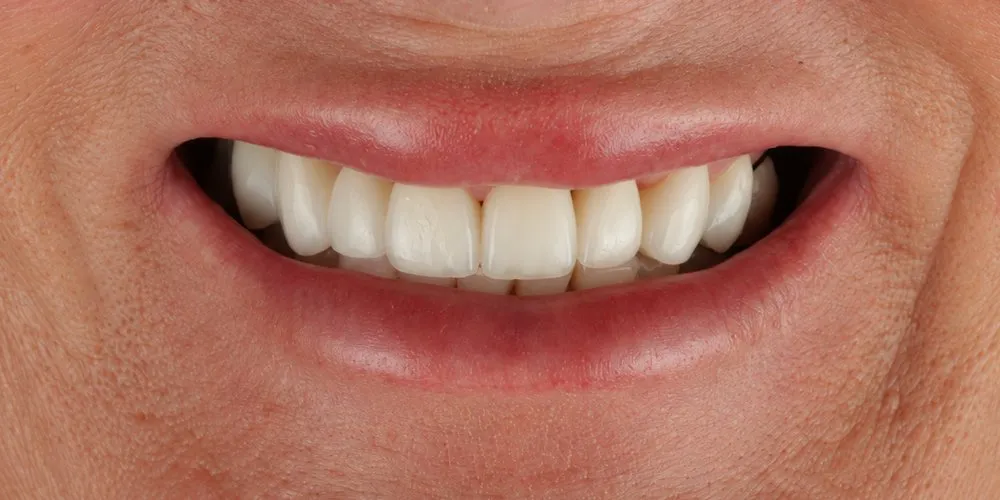 BeforeAfter
Tired old restorations renewed and gaps filled, using crowns, bridges and veneers.
Not retouched. Results are individual.3
Open the smile gallery (27 cases)Digital smile design
A natural-looking result is decided at the planning stage. Tooth length. Tooth shape. Where each edge meets your lip. How the whole smile sits within your face. Alter one and the others shift with it.
At Comely Bank, Dr Davinder Kalsi works these out on screen, combining digital smile design with what he knows of dental aesthetics and facial proportion. We can test ideas with you in the chair, give you the reasons behind each recommendation and agree a considered plan first, before treatment starts.
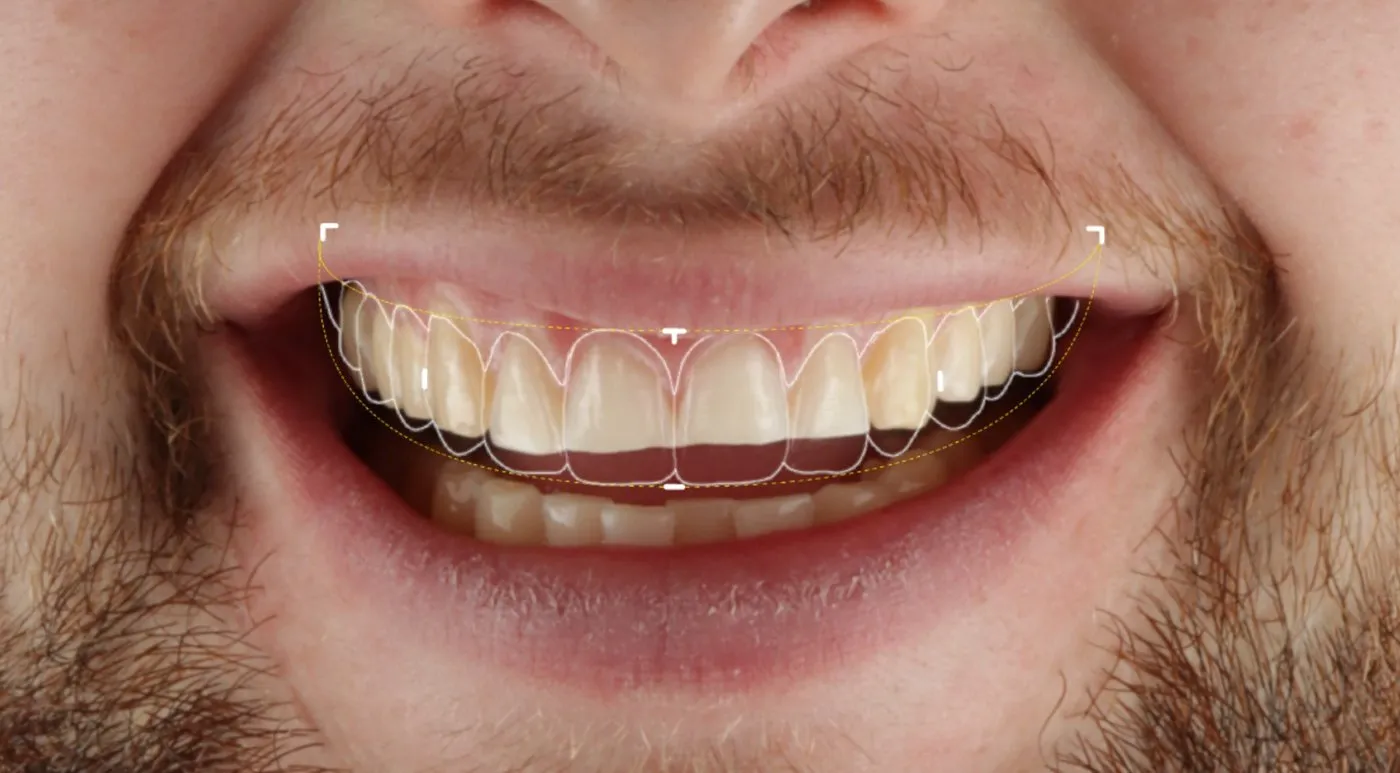
A real smile design: new outlines for each upper tooth, drawn over the patient's own smile photo.
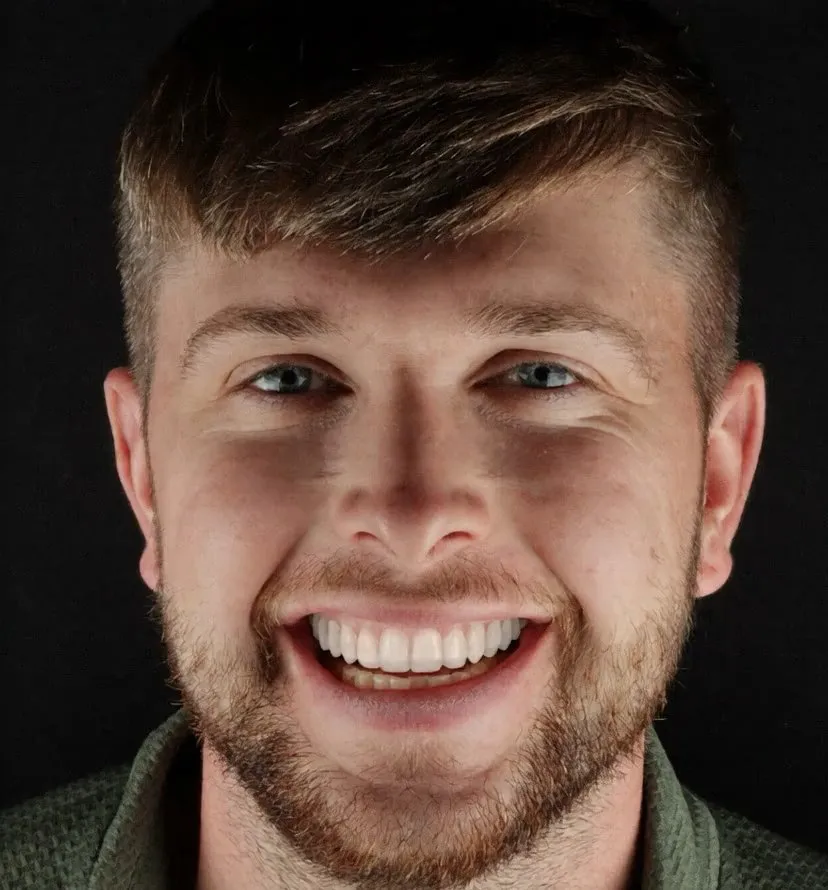 PhotoDigital preview
Most people find it hard to say exactly what they would change. Imagining the outcome from words alone is harder. So we skip the guesswork. The proposed changes are drawn digitally onto your own photographs, and you can flick between tooth shapes and proportions on your face. You react, we adjust, and the design moves closer to what you have in mind.
Rebuilding worn edges, evening things out or a bolder change: the choice is simpler once it's on screen in front of you.
Digital preview only. This AI-generated image illustrates the changes proposed for this patient. It is not a treatment result. The real result is shaped by your clinical circumstances and by the treatment plan agreed with you.
Teeth are judged against the face around them. Six things guide every design.
Your smile in relation to your face and features, not to a template.
Each tooth's width-to-length balance, and how it sits beside its neighbours.
Do the tips of your upper teeth echo the curve of your lower lip in a smile?
How evenly your gums frame each tooth.
Tiny irregularities of outline, texture and translucency, which stop a smile looking manufactured.
Your say matters throughout. One patient wants a brighter, crisper smile; the next wants a change so quiet that friends can't say what's different. Trying both on the design shows which suits you.
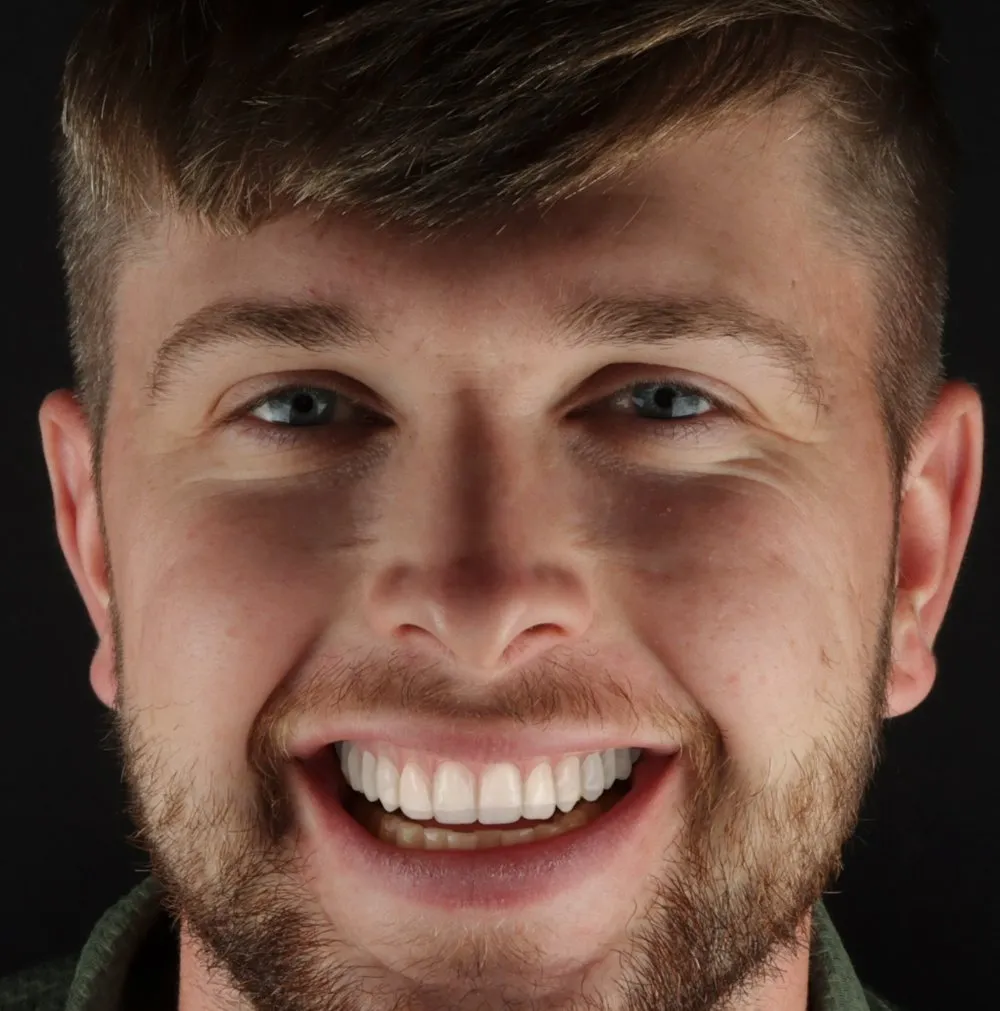
Checking the design against the patient's full face, not just his teeth.
Any smile design program can sketch a tooth. None can tell whether that tooth is right for you. That call comes from putting what you have asked for next to what our examination of your teeth and gums shows, and measuring both against the principles of smile design. Beyond looks, there is your bite to protect, your dental health to consider and the question of which treatment is right at all.
If we suggest changing a tooth, we'll tell you why, and show you where it fits in the plan we have built for you.
When you approve a design, it becomes the reference everyone works from: you, our clinical team and the dental technicians making your restorations. The intended shapes and proportions are set down clearly, which keeps the whole treatment pointing the same way.
Sorting out the detail in advance makes for a more predictable approach. It also gives you breathing space: time for questions, for understanding the options and for feeling comfortable with the direction before you commit.
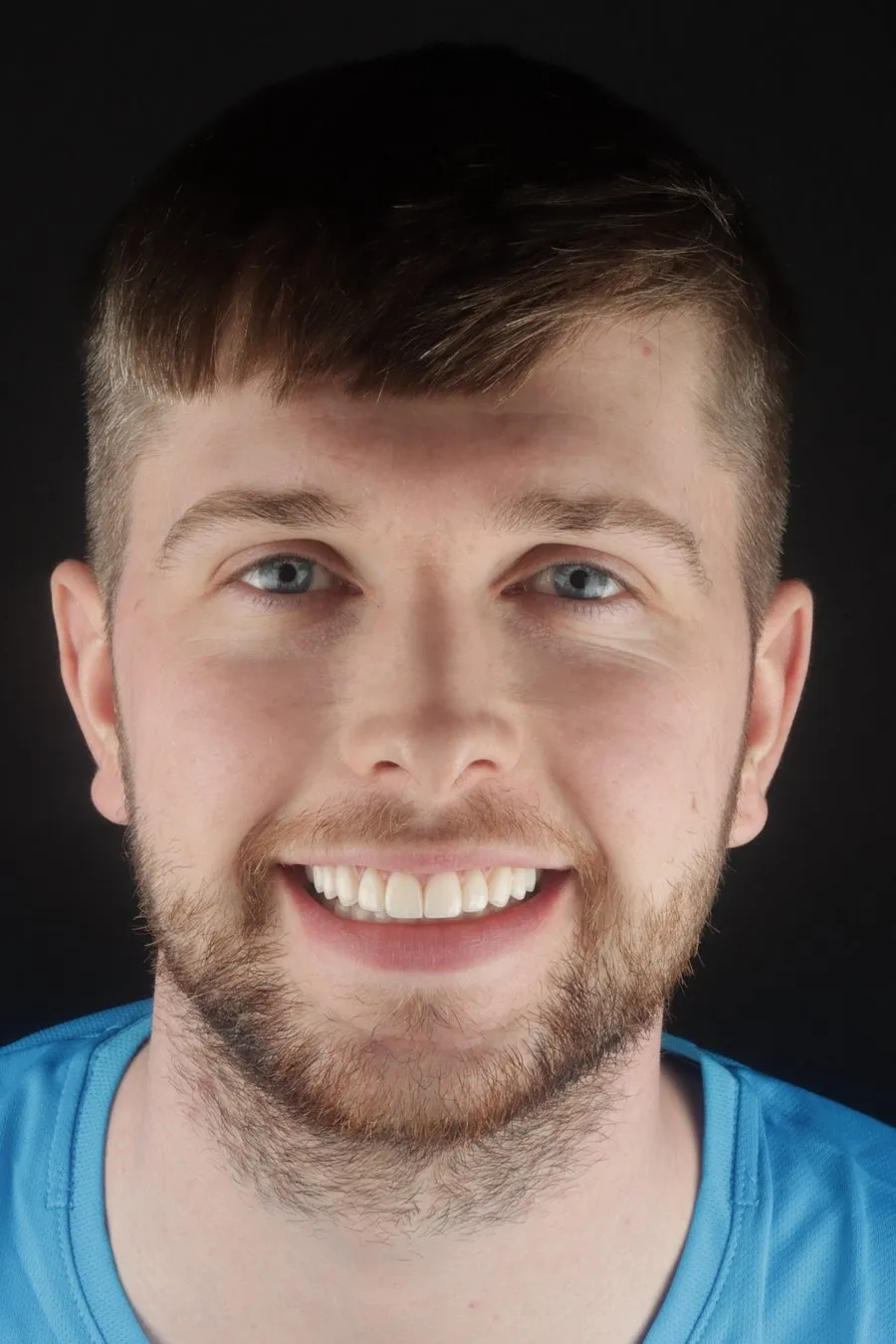 BeforeAfter
Case study
His upper teeth had worn down and looked short, and their biting edge ran at a slant across his smile instead of sitting level. Before treatment, the new length and shape of each tooth was drawn on his own smile, checked against a photo of his whole face and shown to him as a digital preview.
Not retouched. Individual results vary.
3No two plans are the same. Here are the three people ask us about most often.
Seven stages, though few people need all seven. Which ones you need, and in what order, is worked out from your oral health and your goals.
Start by telling us what you'd like to be different about your smile and, just as important, what you're happy with. After that comes a full check of your oral health, how your teeth are aligned and how they bite, and their colour. We also study your face (features, proportions, lips), because the smile has to belong to it.
Photographs, 3D scans on our iTero scanner and X-rays (only where clinically appropriate), depending on what you need. Together they capture your starting point, feed into the planning, and give us something to show you on screen as we explain our findings and your options.
We set out the treatments that could get you there, each with its benefits, risks and alternatives, including doing nothing where that is a reasonable choice. Everything goes into a personalised written plan: the costs, the expected timescale, how many appointments, and what care follows. Take the time you need for questions before deciding anything.
Where appropriate, we mock up the proposed changes with digital smile design before treatment begins. It's shaped by your face and lips, by how your teeth are proportioned, and by your own taste. Seeing the preview, you can tell us what works and what doesn't; once agreed, the design is the reference our clinicians and the dental technicians share. Expect small refinements along the way. Think of the design as a compass bearing rather than a guaranteed destination.
Cosmetic and restorative work waits until your mouth is healthy. If there is gum disease, decay or another problem, we treat that first, because everything we do afterwards depends on it. You'll also get practical advice on caring for your teeth and gums, now and once treatment has finished.
Some people need teeth moved or the bite adjusted, often with orthodontic treatment; plenty don't. If you do, it is built into the sequence, with the smile design showing where each tooth should end up before anything is restored.
We check your shade and talk about whitening if it is appropriate. Where teeth need restoring, that could mean composite bonding, veneers or crowns; gaps from missing teeth might be filled with implants or bridges. The smile design steers the shape and proportions of this work, and it's what the dental technician works from. If it suits your case, you can wear a mock-up or temporary restorations first and judge the look for yourself before anything final is made.
A ninety-minute appointment covering photographs, a 3D scan and your digital smile design. Smile design is from £250, and a trial smile, if you'd like one, from £250.
Your plan includes only the treatments you need, sequenced so the results last.
Aligns crowded or gappy teeth at the start, so less of your natural tooth has to be altered afterwards.
Brightens your natural teeth first, so any new work is matched to the lighter shade.
Rebuilds worn edges and fills small gaps over one or two visits, with minimal or no drilling.
Alter shape and colour where teeth are heavily filled, or where bonding wouldn't hold up.
Restore heavily filled or broken teeth so they match the rest of the new smile.
Fill gaps left by missing teeth, planned at the outset so the new smile is whole.
Why the order matters. When teeth are straightened first, bonding or veneers can be thinner, and sometimes aren't needed. Whitening is done before bonding and veneers, since they are matched to your teeth and won't change colour afterwards.
A smile makeover is right for you when more than one aspect of your smile bothers you.
Aligned first and whitened afterwards, so it all matches.
Restored with veneers or bonding, frequently after years of grinding.
Levelled and closed within a single design.
Older crowns, veneers or fillings replaced to match the new shade.
Implants planned with the cosmetic treatment right from the outset.
Proportions shaped to suit your lips, face and features.
Comely Bank Dental is at 3 Comely Bank Road, a few minutes' walk from Stockbridge and close to Inverleith, Fettes, Learmonth and the New Town. Lothian Buses 24 and 29 both stop on Comely Bank, and from the New Town, Edinburgh's West End and Dean Village it's a 15 to 20 minute walk; if you drive, there's on-street parking on and around Comely Bank Road. People also come from further west, from Davidson's Mains and East Craigs.
Your smile design consultation is a ninety-minute appointment here, covering photographs, a 3D scan and your digital smile design. We're open Monday to Friday, 9am to 5pm, with later appointments by arrangement. How to find us.
What it involves, how effective it is and what you'll pay.
Let's talk about your smile: the parts you'd change and the parts you'd keep. We'll assess it, walk you through the options and give you a frank idea of what may be achievable for you. Book a smile design consultation, or send us a question on WhatsApp first.